The Blog on SaaS Spend Management Software
SaaS Spend Management: How Businesses Can Reduce Wasted Software Costs
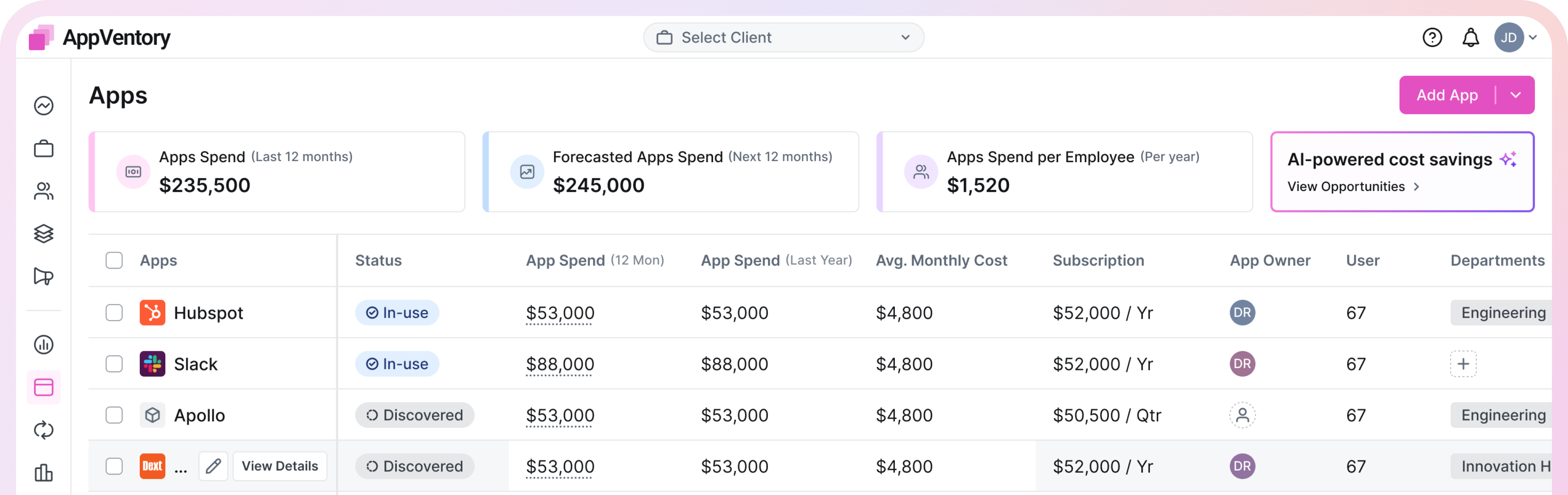
Software has developed into a major operating cost for expanding organisations. Finance, sales, marketing, customer service, HR and technology teams may each subscribe to separate applications, often without a central process for monitoring costs or usage. As the number of subscriptions increases, organisations can end up paying for inactive accounts, overlapping tools, unnecessary premium plans and services that automatically renew without proper review. SaaS expenditure management provides a structured approach to controlling these expenses by centralising subscriptions, licences, renewal schedules and usage data in a single organised environment. A dedicated SaaS spending management platform can help finance and technology teams understand where money is being spent, which applications are actively used and where savings opportunities may exist. For organisations asking How to reduce saas cost, creating greater visibility is frequently the most sensible first step.
Understanding SaaS Spend Management
SaaS Spend Management is an ongoing process for identifying, tracking, evaluating and optimising subscription-based software spending throughout an organisation. Rather than considering each recurring payment in isolation, organisations can review their complete software environment and determine how each application contributes to day-to-day operations.
This approach may include tracking software ownership, department usage, licence allocation, contract values, renewal periods and actual employee activity. It can also cover modern artificial intelligence tools that use variable pricing based on consumption rather than fixed monthly subscriptions.
The goal is not simply to spend less on software. A strong management approach ensures that spending is focused on applications delivering real operational value while limiting duplication and avoidable waste.
Why Software Costs Become Difficult to Control
Software purchasing has become decentralised in many organisations. Individual teams can subscribe to software using company cards without necessarily involving procurement or IT teams. While this flexibility can speed up software adoption, it can also create scattered and difficult-to-track spending.
Marketing teams might subscribe to multiple content applications, sales departments may adopt similar prospecting systems and other teams may purchase their own project management tools. Individual monthly charges may appear minor, but together they can develop into a substantial annual cost.
A software spend management solution solution can make these costs easier to analyse by providing a consolidated view of subscriptions rather than forcing teams to examine individual invoices manually.
Unused Software Licences Can Lead to Significant Waste
Inactive user licences are one of the most common sources of unnecessary software spending. Employees may leave the business, move into different roles or stop using certain applications while their paid licences remain active.
This waste can become increasingly difficult to detect as businesses accumulate large numbers of software applications. Finance teams may keep paying invoices simply because they lack clear visibility into whether every paid seat is still active.
Regular licence reviews can identify inactive seats and provide opportunities to downgrade or cancel unnecessary subscriptions. Businesses should also include software access reviews within employee departure and role-change processes so unused licences are identified quickly.
Overlapping Applications Can Increase Unnecessary Spending
Expanding organisations often find that separate departments are paying for software with similar functions. Different teams may independently purchase software for video meetings, design, artificial intelligence, document signing, analytics or customer communications.
Without central visibility, employees may not realise that another department already has access to a suitable solution. Duplicate software raises expenditure and may also complicate operations because data becomes scattered across different platforms.
A central SaaS Spend Management Platform can help businesses maintain an accurate inventory of software. Prior to authorising another subscription, decision-makers can examine current tools to determine whether the necessary function is already available.
Managing Software Renewals More Effectively
Automatic renewals may generate unexpected costs when contracts are not assessed before cancellation or renegotiation deadlines. Numerous subscription contracts require businesses to make amendments within a defined notice period before the next billing date.
Businesses can benefit from a structured renewal calendar that records contract dates, notice requirements, pricing terms and subscription owners. Examining subscriptions before renewal deadlines allows teams to evaluate usage, consider alternatives and determine whether current licence numbers are still appropriate.
Renewal management should be treated as an active financial process rather than an administrative reminder. Early preparation can provide organisations with greater flexibility when negotiating prices or modifying contract terms.
Controlling Artificial Intelligence Software Spending
Artificial intelligence services have introduced additional complexity into software budgeting. Traditional applications commonly use predictable monthly or annual subscription fees, while some newer tools charge according to usage, processing volume or computing activity.
Consequently, expenditure can change substantially from one billing cycle to the next. A team testing a new service may produce greater costs than expected when consumption is not carefully monitored.
Modern SaaS Spend Management Software can help businesses track both fixed subscriptions and variable technology spending. Finance teams can create How to reduce saas cost internal spending limits, review consumption trends and investigate unexpected increases before they become ongoing problems.
Using Automated Software Discovery
Manual spreadsheets may be sufficient when an organisation manages only a small number of subscriptions, but they become harder to maintain as the technology environment expands. Staff may forget to document new software, contract information may become stale and department-level purchases may remain absent from the central inventory.
Automation can help detect recurring software payments and consolidate them into one organised inventory. This can give finance departments better visibility into the applications being paid for throughout the business.
Automated processes can also lower the manual effort required to keep software records accurate. Instead of continually requesting data from different departments, teams can focus more attention on cost analysis and better procurement decisions.
Building Stronger Software Procurement Controls
Managing expenditure before software is purchased can be more effective than discovering waste after invoices have already been settled. A structured procurement process provides employees with a clear way to request new tools while giving finance and technology teams an opportunity to assess the request.
Before authorising a new subscription, organisations can determine whether an existing application offers similar functionality, how many employees need access, whether the proposed plan is suitable and what business benefit is expected.
Procurement controls do not need to create unnecessary complexity. The goal is to create enough visibility to prevent duplicate subscriptions while still allowing employees to access useful technology when needed.
How to Reduce SaaS Cost Through Regular Reviews
Businesses asking How to reduce saas cost should carry out regular software reviews rather than viewing optimisation as a one-off exercise. Software environments change constantly as employees join, teams expand and new applications are adopted.
A useful review can look at active seats, recent usage, subscription owners, contract values, approaching renewals and duplication between applications. Businesses can then determine which services should be kept, reduced, renegotiated or cancelled.
Routine reviews can also encourage departments to take greater responsibility for software purchasing. When departments know that subscriptions will be assessed according to usage and value, they are more likely to consider expenditure carefully before requesting extra tools.
Why a Central SaaS Spend Management Platform Matters
A centralised platform can provide finance leaders, technology teams and business owners with a shared view of software spending. Instead of maintaining separate spreadsheets or searching through financial records, decision-makers can examine subscriptions from one organised environment.
Better visibility can contribute to more accurate budgets, improved renewal management, stronger licence oversight and better purchasing decisions. It may also make conversations between finance teams and department leaders more productive by allowing software costs to be compared with actual business needs.
The greatest benefit of SaaS Spend Management comes from turning software purchasing from a scattered collection of individual expenses into a measurable business process.
Conclusion
Software is essential for modern organisations, but unmanaged subscriptions can gradually reduce profitability without attracting much attention. Unused licences, duplicate applications, automatic renewals and unpredictable usage charges can all contribute to unnecessary expenditure. A structured software spend management approach can help organisations understand these costs more clearly and create a practical framework for keeping them under control. Using SaaS spending management software can make subscription discovery, licence monitoring, renewal planning and procurement more organised. A well-managed SaaS Spend Management Platform can also help finance and technology teams make purchasing decisions based on actual usage rather than assumptions. For organisations considering how to lower SaaS expenditure, continuous monitoring, regular reviews and stronger purchasing controls can create meaningful long-term improvements in software efficiency and financial management.